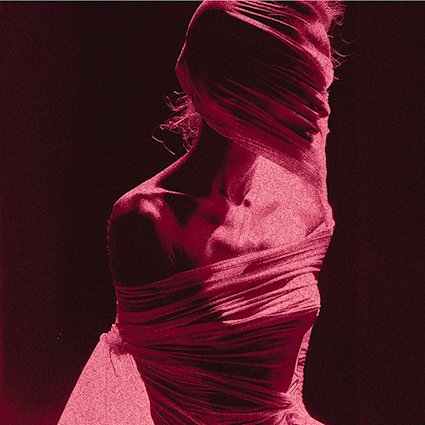
Arankai’s A Portrait of Red is the kind of debut full-length that doesn’t feel like a “first step” at all—it lands more like an artist who has already lived through a few eras and finally decided to crack themselves open. After dropping attention-grabbing singles over the last couple of years, Arankai arrives with a record that barrels between vengeance, self-reconstruction, addiction, self-destruction, and the urge to rise out of the damage. It’s a heavy album, but not because of genre labels; it’s heavy because the writing leaves teeth marks.
Right from “The Serpent,” Arankai writes from inside the wound. The song lays out a power struggle built on betrayal, the kind that eats away at your confidence year after year. Lines like “You took the best of me and made it just like you” and “I won’t be another martyr of your making” establish a clear backbone for the album: this is not a narrator trying to “heal” politely. It’s someone dragging themselves back to their feet with a snarl still on their face.
“Contortionist” continues that motif of bending, breaking, and refusing to be reshaped by someone else’s appetite. Instead of leaning on metaphor for the sake of prettiness, the lyrics fire off blunt one-liners—“This isn’t love, you’re just a drug,” “I won’t satisfy what you want”. Arankai has a way of putting bitterness into plain language without dulling its edge. This gives the record a conversational venom that stands out.
“Dead Throne” is where the album hits its most openly vindictive moment. The song reads like a ritual of taking power back from someone who misused it—regicide as emotional closure. The vicious imagery (“king of bones,” “your skeletons have come to life,” “I watch you drown”) never feels cartoonish; it works because the anger is specific. It’s not just rage-for-show—it sounds like the culmination of years of swallowing things down.
“Rome” shifts that fury outward into something more theatrical. Instead of being written from a wounded place, this one is delivered like someone who finally recognizes the power they have left. Lines such as “I will add it to my dead throne” and “There’s an antidote to everything, but not for me” push into a mythic, grandiose voice, but it still fits the album’s core run of themes: taking control, refusing mercy, burning the world that tried to bury you. It works because the tone isn’t “epic”; it’s unhinged and self-aware.
“One for the Money” is a major pivot point. Instead of battling an external enemy, the song tackles the way our own experiences twist us into versions of ourselves we barely recognize. “Villains aren’t born, they’re made” ties directly into the record’s ongoing questions of blame, identity, and how people end up shaped by betrayal. It’s sharp in its delivery and might be one of the clearest mission statements on the album.
“Conquer” widens the frame again. Instead of anger, it focuses on ambition that has turned into a trap. The choruses hit hard because they’re built on frustration rather than bravado. “I’ve taken everything, but now I want more” lands like someone realizing too late that success isn’t the reward they expected. That’s the throughline—Arankai keeps returning to the idea of pushing yourself past the brink and only noticing the wreckage afterward.
“Anodyne” may be the emotional low point. It’s written from the eye of the storm, not after the damage. The self-medicating, the sense of being flawed “by design,” the spiraling imagery—this track feels like the album’s most personal moment. It’s not framed as a confession; it’s written like someone too exhausted to dress anything up. That simplicity is what makes it hit.
“Catalyst” pulls things into a more frantic space. The lyrics describe overstimulation, burnout, disconnection, and the urge to find something—anything—that jolts life back into place. The repeated plea for a “new kind of high” lines up with the album’s ongoing tension between destruction and renewal. It’s the sound of someone scraping at the walls of their own mind just to feel something shift.
“Plagues” is a standout because it strips away the theatrical elements and leaves the narrator in a place of total resignation. “Every prayer I’ve made has been answered with plagues” might be the bleakest line on the record. There’s no begging for salvation here—only the acknowledgement that it isn’t coming. This is where the album’s themes of self-reliance and bitterness harden into something colder.
“Evergreen” changes the temperature again, but not by offering hope. Instead, it captures numbness, exhaustion, and the kind of private collapse that doesn’t look obvious from the outside. The imagery of burying oneself “underneath the evergreens” works because it’s not romantic; it’s resignation mixed with the tiniest spark of self-awareness.
Finally, “Second Sight” closes the record with a plea instead of a demand. After an album full of armor, threats, and scorched-earth declarations, the vulnerability in “Don’t let me be another lost soul” feels genuine. It’s not redemption, and it’s not peace—it’s the desire to not slip any further.
Across the album, Arankai brings in several collaborators—including Josh Mowery and Dal Av—who complement the record’s tone without overshadowing it. They add depth to the vocal palette, but the album always remains Arankai’s show.
A Portrait of Red succeeds because it’s not trying to sound big. It sounds lived-in, chewed-up, spit-out, and dragged through the dirt. The writing is blunt, emotional, bitter, wounded, triumphant, and exhausted—all at once. It feels like someone finally saying everything they weren’t allowed to say. And for a debut, that’s a hell of a first cut.




I’m Drew, the founder and editor of Front of the Stage. I have a strong love for music and photography, which started at a very young age. There’s just something I love about experiencing live music and capturing memories that will last a lifetime, and that’s how Front of the Stage came to be.