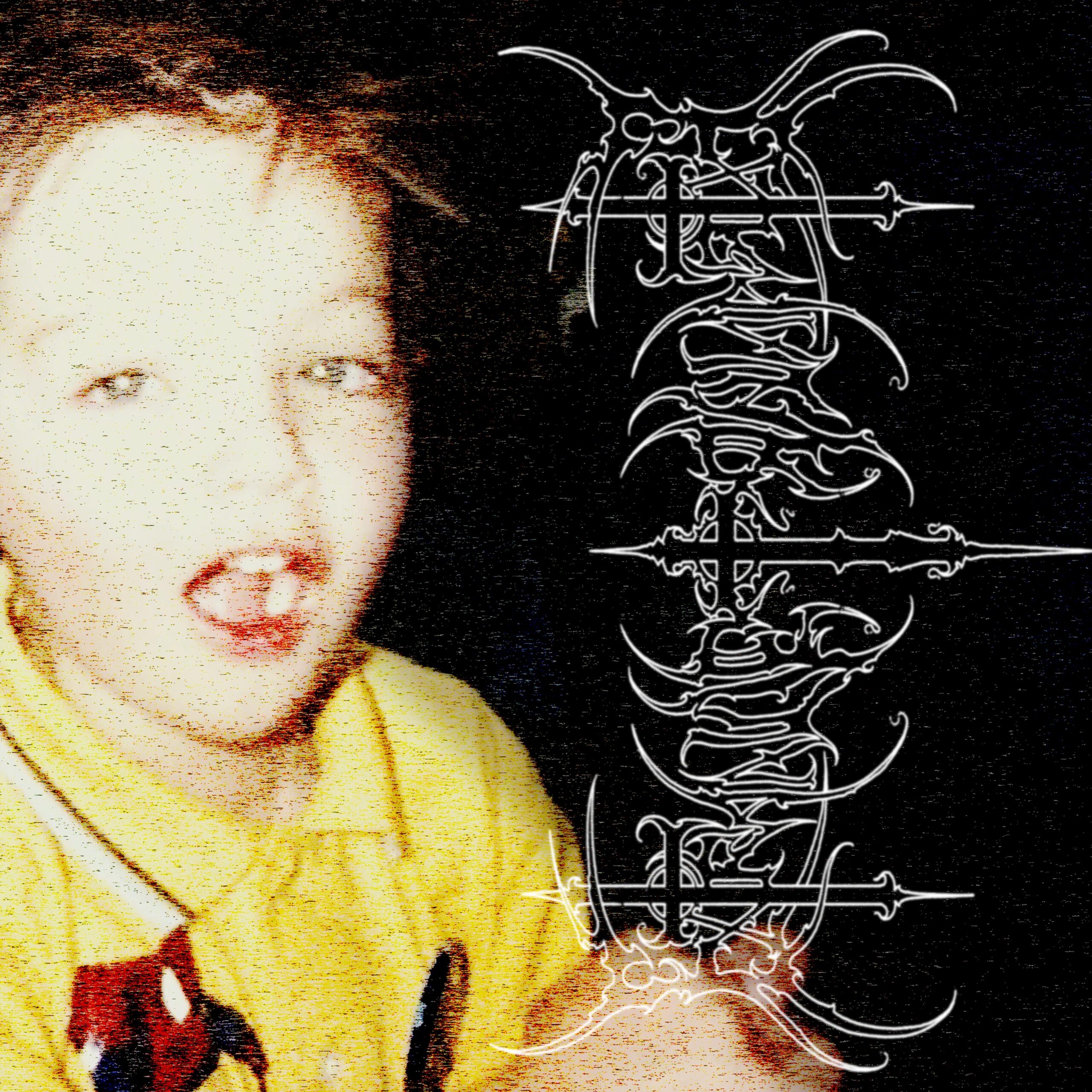
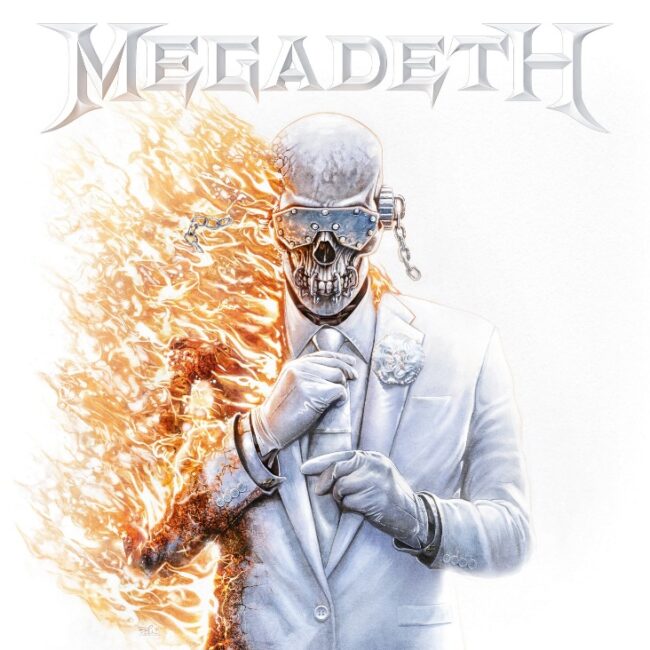
With more than four decades of thrash metal dominance behind them, Megadeth have officially released their self-titled final studio album (January 23), closing the book on one of metal’s most influential and uncompromising careers. Rather than softening their edges for a farewell, the Grammy Award-winning band delivers an album that early critics agree is anything but sentimental.
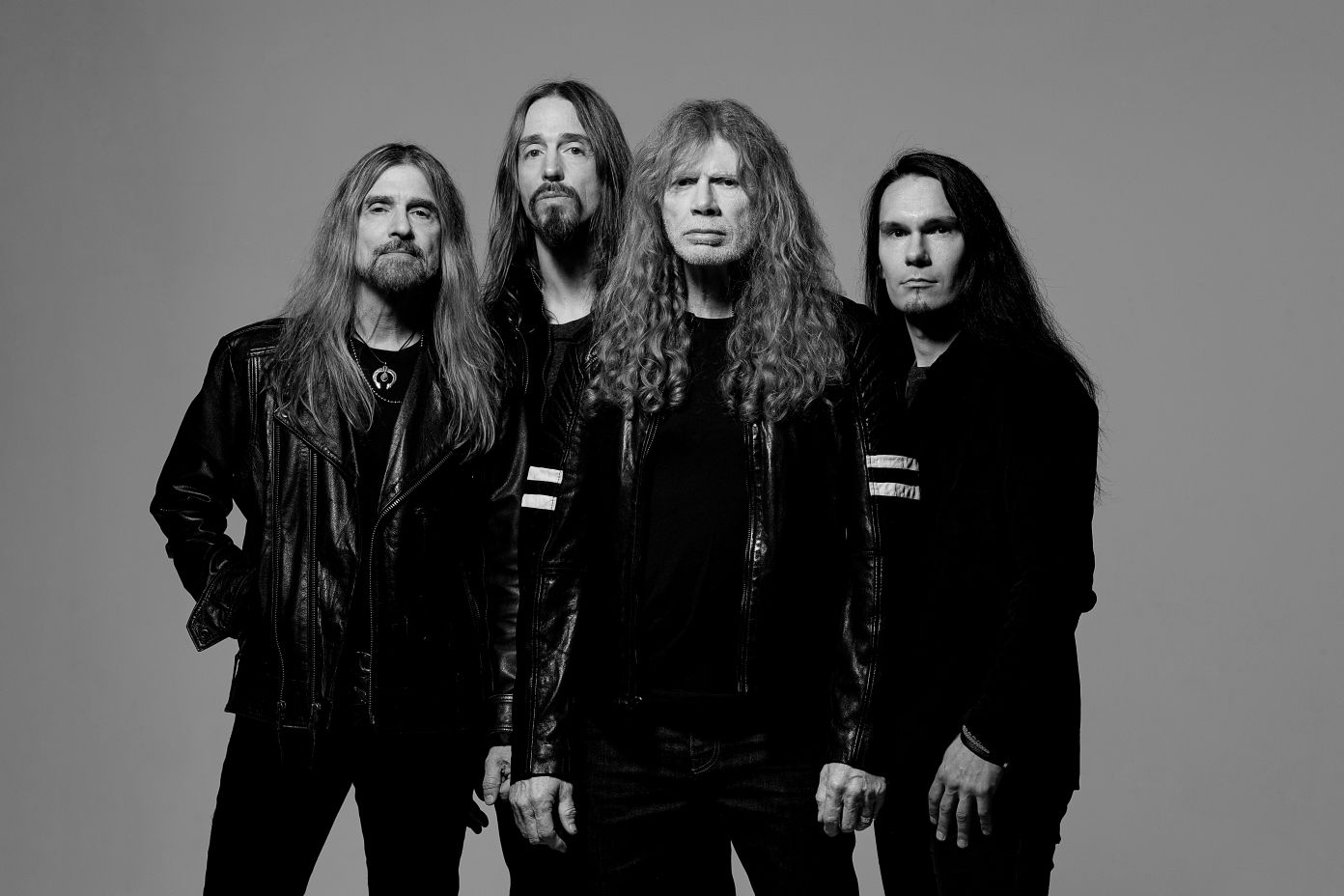
Released via Dave Mustaine’s Tradecraft imprint in partnership with Frontiers Label Group’s BLKIIBLK label, Megadeth finds Mustaine joined by Teemu Mäntysaari (guitars), James LoMenzo (bass), and Dirk Verbeuren (drums)—a lineup that sounds locked in, aggressive, and purposeful. The album arrives six months after its announcement and is already being hailed as one of the strongest late-career statements in the band’s catalog.
Leading up to release, Megadeth unveiled four singles that set the tone for the record: “Puppet Parade,” “Let There Be Shred!,” “I Don’t Care,” and “Tipping Point.” Together, they reaffirm the band’s core identity—precision riffing, sharp rhythmic turns, and Mustaine’s unmistakable snarl—while proving there’s still plenty of fire left in the tank.
Early critical response has been emphatic. The Associated Press praised the album as “no sappy farewell,” noting its blistering solos, crunchy riffs, and relentless energy, while Glide Magazine highlighted the chemistry between Mustaine and Mäntysaari, calling it “one last onslaught of aggressive thrash.” Sonic Perspectives pointed to the album’s dynamic pacing—fast thrash eruptions balanced by mid-tempo crushers—as evidence that Megadeth were determined to go out “with a bang.”
One of the album’s most talked-about moments is a special bonus track: a reimagined version of “Ride The Lightning,” originally co-written by Mustaine with Metallica’s James Hetfield, Cliff Burton, and Lars Ulrich. Its inclusion serves as both a nod to metal history and a reminder of Mustaine’s foundational role in shaping the genre.
Vocally and instrumentally, Megadeth has drawn praise for sounding focused and energized rather than reflective or restrained. Outlets like The Metal Pit have pointed out that Mustaine’s voice and guitar work feel remarkably controlled and sharp, even when compared to recent high points like Dystopia.
As a final studio statement, Megadeth doesn’t attempt to rewrite the band’s legacy—it reinforces it. This is a record built on speed, tension, precision, and attitude, delivering exactly what fans expect while standing tall among the band’s late-career highlights. If this truly is the last chapter, Megadeth have chosen to close it with volume, conviction, and no compromises.




I’m Drew, the founder and editor of Front of the Stage. I have a strong love for music and photography, which started at a very young age. There’s just something I love about experiencing live music and capturing memories that will last a lifetime, and that’s how Front of the Stage came to be.